- The voices we leave behind
This is a tragedy that goes far beyond the borders of the Chagos Islands. It’s a global issue where decisions made by those far removed from the land are impacting the lives and futures of communities that have no power in these decisions.
- Slipping into lifelong friendships
There is something about the outdoors that deepens friendships. Maybe it’s the shared exhaustion, the inside jokes born from near-missteps, or the way a long hike strips everything down to just the moment. Whatever it is, I am incredibly grateful for these hikes, these experiences, and—most of all—these beautiful friendships.
- Africa in G20
Africa is disproportionately affected by climate change, with droughts, floods, and extreme weather events becoming increasingly frequent. Historically, the continent’s voice in international climate negotiations has often been drowned out, but its inclusion in the G20 presents a fresh avenue for articulating its climate concerns. If the AU can effectively advocate for African interests within the G20, it could bring much-needed attention and resources urgently needed to combat climate change on the continent.
- Overcome the climate crisis: impossible?
2025 presents a pivotal moment to turn hope into concrete action. The stakes could not be higher, but neither could the opportunities for progress. The lessons of 2024 — both the human costs of inaction and the power of community-driven solutions — should inspire our determination.
The climate crisis is not an insurmountable challenge; it is a test of our collective will, creativity and resolve. The time to act is now. So, are we ready to face the challenge?
- AI’s mammoth role in dodo-ing conservation
As amazing as anything our generation could uncover or discover, the prospect of encountering a resurrected Dodo bird is beyond any “Frankenstein-esque” project that I had ever imagined. Literally beyond my wildest dreams! However, besides being a cool endeavor, the project has immense ecological promise. The success of such an ambitious conservation initiative will depend, however, on our ability to design new technologies while addressing ethical concerns. But if we don’t innovate, we might face the extinctions of other species and their ecosystems.
- Are we winning the climate battle?
Meaningful action requires us to cultivate a sense of hope and resilience in the face of adversity. It starts with recognizing that while the challenges we face may seem insurmountable, human ingenuity and collective action know no bounds. It’s also about drawing inspiration from the countless individuals and communities around the world who are already leading the charge toward a more sustainable future.
- Hungry for change
Our modern agricultural and food-access challenges surpass those encountered by California farmers in the 19th century. We now grapple with issues such as climate change, the spread of invasive pests, food insecurity, destructive monoculture practices and growing global obesity. One-third of the food we produce annually goes to waste, while food production itself accounts for 26% of global greenhouse gas emissions. These challenges require shifts in our consumption patterns and farming practices, and of course, initiatives that can facilitate such change.
- Divest to invest
Globally, the most effective way to reduce emissions involves changes to food, transport and energy systems. On a local scale, it requires collaborative efforts within our communities to implement targeted, innovative actions, such as those that can be done within our campus community.
- A dodo on a daring journey
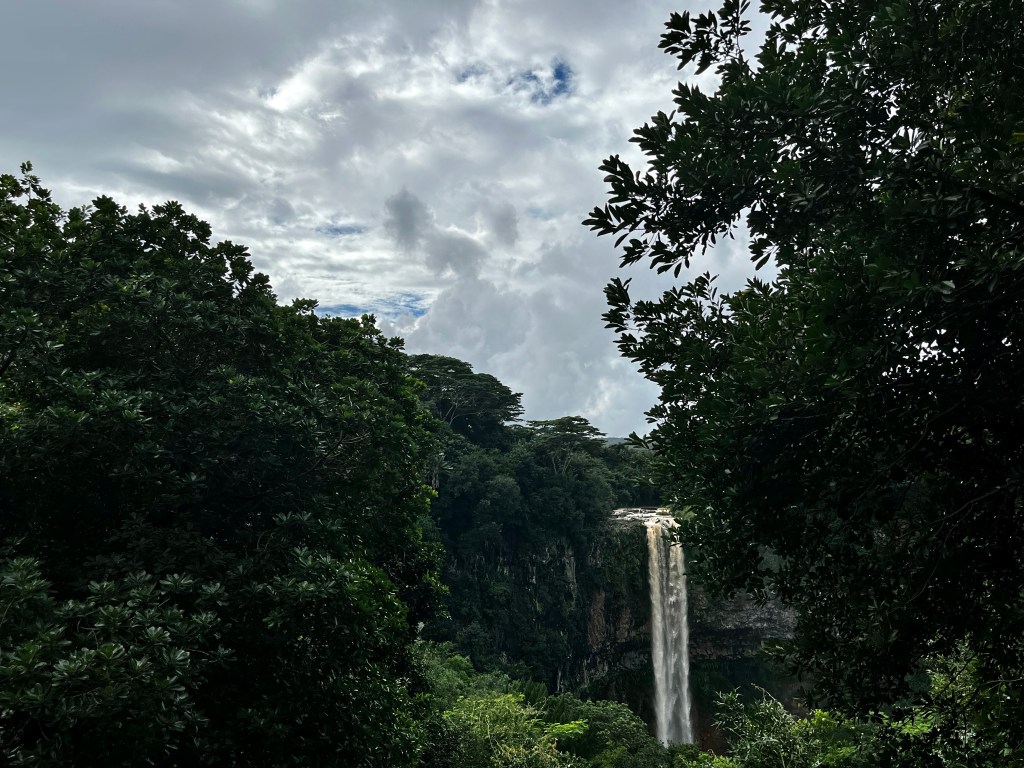
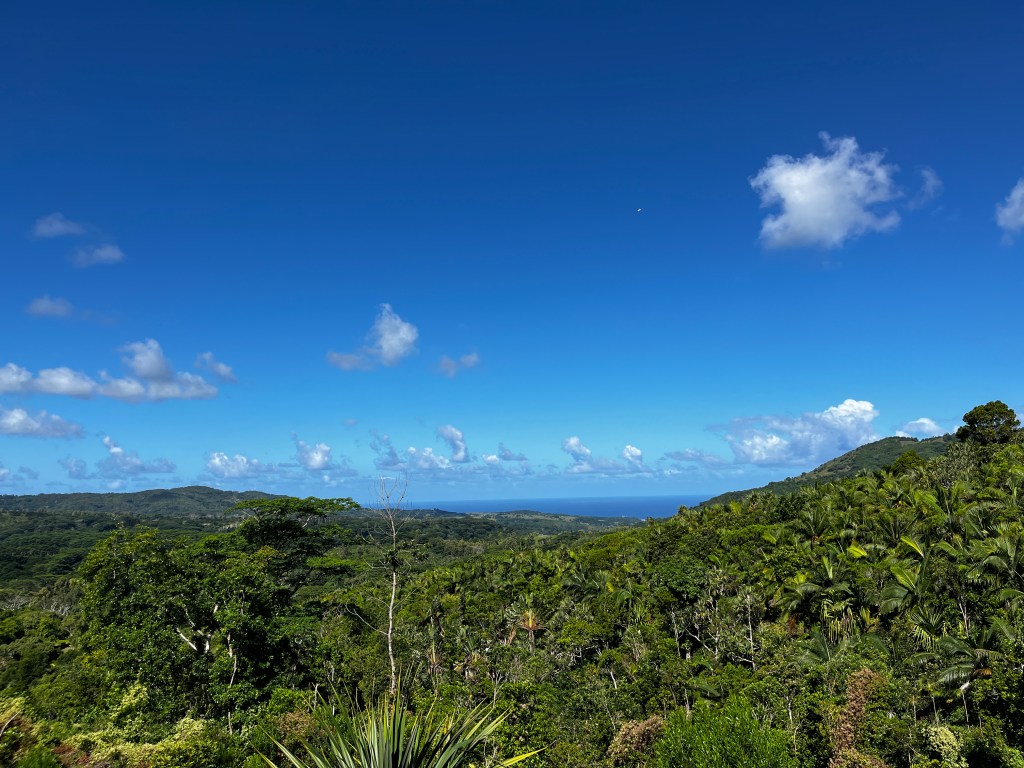
Darwin said that only species that can adapt will survive — and I remember this when I often share that Mauritius is the home of the flightless dodo bird. The dodo’s inability to adapt to the destruction of its habitat led to its extinction. But instead of mirroring its fate, I hope to use my college education to embody the spirit of a daring dodo that does survive.





 Meiya Gujjalu